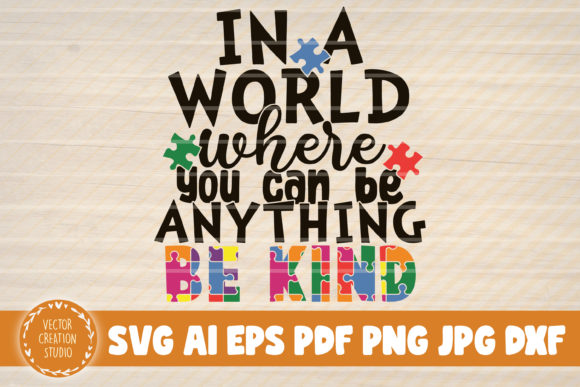
Autism Love: A Typeface for Genuine Connection
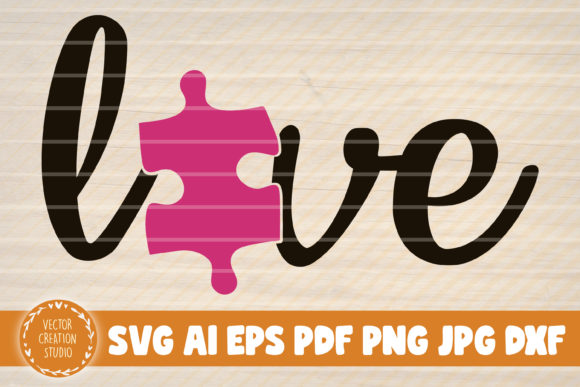
When you first see Autism Love, it doesn't look like a traditional font. It feels more like a piece of art. This display font is defined by its fluid, organic shapes that seem to dance across the page. It avoids the rigid geometry of standard sans serif font families, opting instead for a handwritten font aesthetic that feels personal and immediate. The letterforms are characterized by their soft, rounded edges and a sense of movement, making it an ideal choice for projects that aim to communicate warmth, empathy, and authenticity. It’s a premium font that carries a distinct personality, perfect for when you need your text to feel less like information and more like a conversation.
Where This Creative Font Truly Shines
Understanding where to deploy Autism Love is key to leveraging its strengths. Its unique character makes it a standout choice in specific scenarios across brand identity, marketing, and editorial design.
- Branding with Heart: For businesses in wellness, coaching, childcare, or non-profit sectors, this typeface can form the core of a compassionate logo design. It instantly communicates a human-centric approach, setting a brand apart from corporate, sterile competitors.
- Editorial and Packaging Design: In packaging design, especially for artisanal, organic, or children's products, the font adds a handcrafted touch. In editorial design, it works beautifully for pull quotes, chapter titles, or magazine covers where a personal, modern typography feel is desired.
- Digital and Social Media: Its high legibility at larger sizes makes it excellent for social media graphics, particularly quote cards or Instagram story headers. It grabs attention while feeling approachable, boosting audience engagement in a crowded feed.
- Personal and Commercial Projects: Beyond professional use, it’s a fantastic design asset for personal projects like greeting cards, wedding invitations, or custom apparel. The included file formats ensure compatibility with popular craft cutting machines, making it a versatile tool for hobbyists and small business owners alike.
Making It Work: Practical Typography Guidance
Integrating a creative font like this requires a thoughtful approach to ensure it enhances, rather than overwhelms, your design. Here’s how to use it effectively.
Pairing for Balance and Hierarchy
The expressive nature of Autism Love means it pairs best with a neutral counterpart. Use it for headlines and pair it with a clean, geometric sans serif font for body text. This creates a clear visual hierarchy where the display font captures attention and the body font ensures effortless readability for longer passages. For a different mood, pairing it with a classic serif font can create an interesting contrast between the organic and the structured.
Evaluating Fit and Readability
Always test the font in context. Its script font qualities are best used at larger sizes—think headlines, titles, and logos. Avoid using it for small body copy, as the intricate details can reduce legibility. Review the included styles and ligatures within the file package to see how letter combinations flow. The SVG and PNG files are particularly useful for seeing the font’s true quality and transparent background capabilities in your software.
Licensing and File Mastery
This is an instant digital download, providing immediate access to a comprehensive suite of files: SVG, EPS, PNG, JPG, DXF, PDF, AI, and PSD. This range ensures compatibility with virtually any design software, from Adobe Illustrator and Photoshop to Cricut Design Space and Silhouette Studio. Before starting a commercial project, verify the licensing terms included with your download. The versatility of the provided formats means you can seamlessly move from a digital mockup in Corel Draw or Inkscape to a physical print or cut project without losing quality.
Ultimately, Autism Love is more than just a typeface; it’s a tool for storytelling. Its value lies in its ability to inject genuine emotion and personality into a project, helping creators build deeper connections with their audience. By using it strategically within the right contexts and with thoughtful pairings, you can transform a standard design into something that truly resonates.